Why Dating Apps Are Built to Keep You Single
The platform profits when you stay searching. Here is what that means for you.
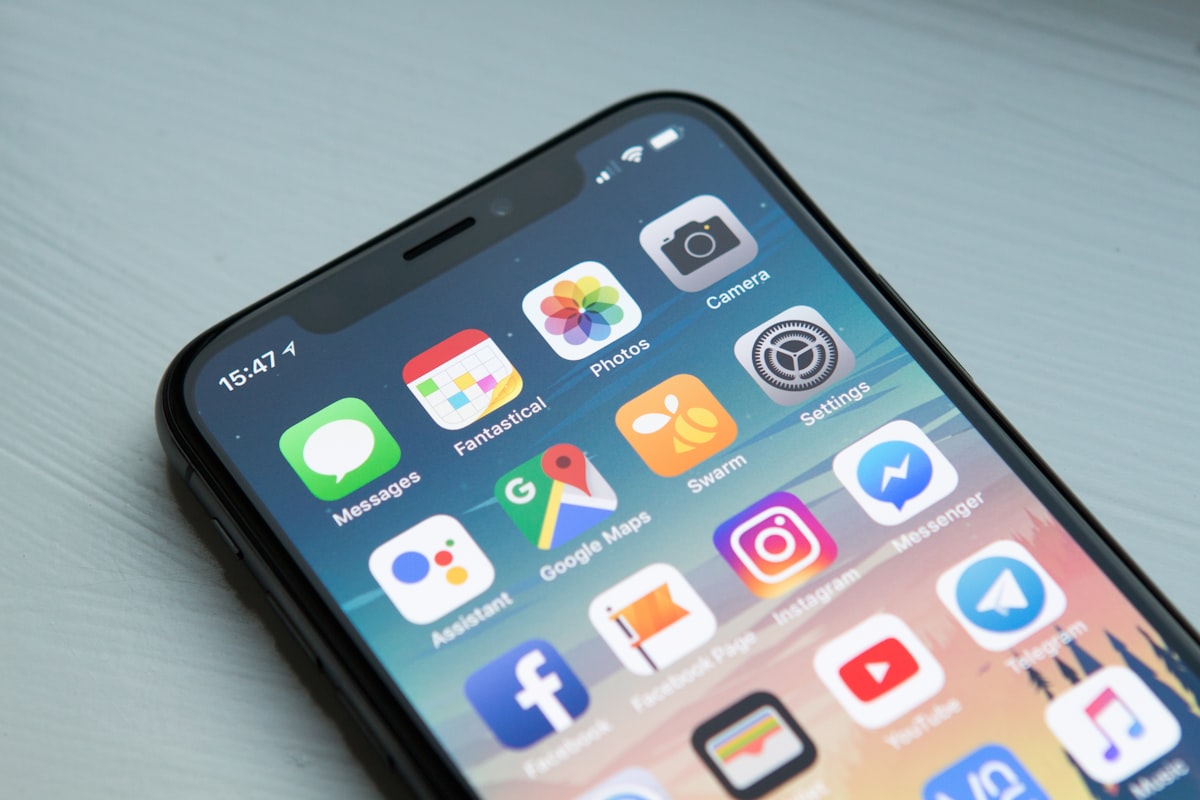
Bangalore has more working professionals under 35 than almost any other city in India. Koramangala, Indiranagar, Whitefield, HSR Layout: the city is full of people with clear heads and clear goals in their careers. Relationships are a different story.
Most of them have tried dating apps. Most found the same pattern: a lot of matches, a lot of conversations that fizzled, and very little that felt like it was going anywhere. The problem was not the people. The problem was the platform.
Swipe culture is built for engagement, not for decisions. For a 28-year-old in Koramangala who knows what they want, that distinction matters.
Howie — How We Met
Introductions from people who already know you both.
The business model nobody talks about
A dating app earns revenue when you subscribe, when you upgrade, and when you open it again tomorrow. It does not earn revenue when you find a partner and delete it. This is not a minor detail. It is the structural fact that shapes every design decision the platform makes.
Every feature, the Boost button, the read receipts paywall, the “See who liked you” upgrade, exists to monetise your search, not to end it. The company's incentive is to keep your search alive as long as possible. An engineer in Koramangala and a designer in Indiranagar are both on the same dating app. Neither of them can tell, from the platform, whether the other is serious. The app has no reason to help them find out quickly.
This is not a conspiracy. It is just how the business model works. Once you see it, you cannot unsee it.

Swipe mechanics reward the wrong signals
A swipe takes less than a second. In that second, you are judging a person on their best photo, a curated line or two, and the city they live in. That is less information than you get from a two-minute conversation with a mutual friend who knows you both.
The mechanics reinforce this. Apps surface profiles that generate the most right swipes, which means conventionally attractive photos outperform depth, warmth, or character. The algorithm has no way to measure whether two people would actually work together. It can only measure who gets more attention.
A mutual friend who introduces two people has spent years forming that opinion. A swipe takes less than a second. The information quality is not comparable.
Intent is invisible on a dating app
On a dating app, you cannot tell why someone is there. They may be curious. They may be newly single and not ready. They may be looking for something entirely different from what you want. The platform does not ask and does not filter.
A 2025 YouGov India survey found that 58% of Indian dating app users said they were looking for a serious, long-term relationship. Fewer than one in five said the app they were using felt designed for that goal. The other 42% of users, the ones who are not looking for the same thing, are right there in the same pool.
This mismatch accumulates. A 2024 Forbes Health survey of 1,000 dating app users found that 78% felt emotionally exhausted by online dating. The most cited reason was not a shortage of matches. It was the inability to find a genuine connection.
Intent declared once, upfront, changes everything. It is why the best introductions in India have always come from someone who knows both people: they already know why they are making the introduction, and they only make it when they believe it will work.
Howie — How We Met
No infinite scroll. No algorithm. Just a trusted person who thought of you.
The paradox of choice makes commitment harder
When the next option is one swipe away, it becomes very difficult to invest in this one. Psychologist Barry Schwartz documented this pattern in his research on decision-making: more options do not produce better decisions, they produce more hesitation and less commitment.
Dating apps are the most extreme version of this. A landmark study by Iyengar and Lepper (2000) found that shoppers shown 24 varieties of jam were ten times less likely to buy than those shown just six. A user in Bangalore or Mumbai can see hundreds of profiles in a single session. The cognitive result is predictable: you stop seeing people and start seeing profiles. You become a browser, not a decision-maker.
The best relationships in India, arranged or otherwise, have always involved a small number of considered introductions. Not because people lacked options. Because a considered introduction forces you to actually decide.
Ghosting carries no social cost
In a relationship that started through a mutual friend, disappearing carries a consequence. Your mutual friend notices. They may ask. The shared network creates a kind of soft accountability that makes both people show up more honestly from the beginning.
On a dating app, disappearing is the norm. Research on ghosting behaviour finds that 74% of dating app users have been ghosted by a match. There is no social tissue connecting you to the other person. No one checks in. No one notices. The platform is built for anonymity, which also makes it built for zero accountability.
Accountability does not just prevent ghosting. It changes how both people show up from the first message: with more care, more honesty, and more genuine intent.
How the options actually compare
The honest comparison is not flattering to any of the default choices:
| What matters | Dating Apps | Matrimony Sites | Howie |
|---|---|---|---|
| Who introduces you | An algorithm | A database search | Someone who knows you both |
| Intent visible | Self-declared, unverified | Self-declared, unverified | Declared and socially reinforced |
| Accountability | None | None | Mutual connection |
| Ghosting cost | Zero | Zero | Social consequence |
| How you exit | Keep swiping | Keep browsing | You find someone |
The platform that profits from your search ending is a different kind of platform from one that profits from keeping you on it.
Howie — How We Met
One good introduction beats a thousand matches.
Frequently asked questions
Why do dating apps not work for serious relationships in India?
Dating apps are designed to maximise engagement, not to help users find a partner and leave. Their revenue model depends on keeping you on the platform, which creates a structural conflict with your goal of finding someone serious. The app has no incentive to filter by intent, remove low-commitment users, or make it easy to have an honest conversation about what you want. Those are exactly the conditions that work against serious relationship seekers.
How do I find a serious relationship in Bangalore without a dating app?
In Bangalore, your professional network is your most underused asset. IIT and IIM alumni groups, former teammates from your current or previous company, colleagues from Koramangala and HSR Layout startups: these networks hold more qualified introductions than any algorithm. Howie structures these so a mutual connection can make a proper introduction, with context, rather than a blind profile drop on WhatsApp.
What is swipe fatigue and why does it happen?
Swipe fatigue is the emotional exhaustion that builds up from weeks or months of matching, chatting, and going nowhere. It happens because the platform is designed to surface more options, not better ones. The more you use it, the more your brain starts treating people as profiles rather than people, which makes genuine connection harder. Most people who experience swipe fatigue are not the problem. The structure of the platform is.
Are matrimony sites better than dating apps for finding a serious partner?
Matrimony sites like Shaadi.com or Jeevansathi filter better by intent: most users are there for marriage. But the underlying problem is the same. You are still browsing strangers, there is still no accountability, and the introduction still comes from a database rather than a person who knows both of you. The resume-first structure also tends to reduce people to family background and income rather than who they actually are.
How does Howie work differently from dating apps?
Howie is built around trusted introductions, not swipes. Every introduction on Howie comes from someone who knows both people and believes they would work together. Intent is declared at onboarding, so everyone on the platform knows why they are there. There is no infinite scroll and no algorithm choosing for you. Howie's model only works if introductions lead somewhere, so the incentives point in a different direction entirely.
More from I — Intent



Also available for